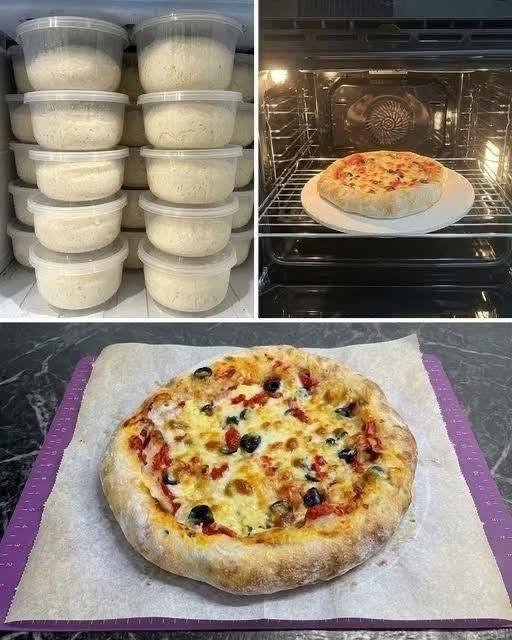
Welcome to the wonderful world of making sourdough homemade pizza right inside your very own kitchen. If you have ever wanted to bake a pizza that tastes just like it came from a fancy Italian wood fired oven, you are in the right place. This special recipe combines the bubbly and alive nature of a wild yeast starter with the comforting and cheesy goodness of your favorite weekend meal. Instead of using store bought instant yeast packets that give you a rushed flavor, this method uses a slow fermentation process that builds deep and complex flavors over hours of resting time. You will mix flour and water together with your bubbly starter, letting natural bacteria and wild yeasts do all the hard work for you. It is a rewarding kitchen project that turns simple pantry staples into a gourmet masterpiece that your whole family will talk about for days.
The reason people absolutely love this specific recipe goes far beyond just getting a cheesy slice on a Friday night. Traditional pizza crusts made with commercial yeast can sometimes feel heavy or make your tummy feel uncomfortably bloated after eating them. Sourdough on the other hand goes through a long period of resting and fermentation which breaks down the hard to digest proteins found in wheat flour. This makes the pizza crust much easier on your stomach while also giving it a gorgeous golden brown color and a crispy bubbly texture on the outside. People also fall in love with the rustic charm of stretching and shaping the dough by hand, feeling the soft texture between their fingers, and watching it puff up magically in a hot oven. It brings a sense of old fashioned baking tradition right into our modern lives.
You should definitely choose to make this sourdough homemade pizza whenever you want to slow down and enjoy a mindful weekend cooking project. It is the ultimate comfort food for cozy movie nights with your best friends or fun weekend family gatherings where everyone can help add their favorite toppings. Emotionally speaking, baking bread and pizza from scratch brings a deep feeling of warmth and accomplishment that you simply cannot buy at a restaurant. From a taste perspective, the slight tanginess of the sourdough crust balances out the rich and sweet tomato sauce and the salty melted mozzarella cheese in a way that blows ordinary pizza completely out of water. Even if you are watching your general wellness, the slower fermentation breakdown offers a cleaner way to enjoy comfort food without feeling sluggish afterward.
Getting started on this baking journey does require a little bit of patience because good things always come to those who wait. You will want to plan ahead by feeding your sourdough starter a day before so it is super bubbly and active and ready to rise. As you mix the dough and watch it slowly puff up over the course of the day, you will feel a growing sense of excitement for the amazing meal ahead. Whether it is a rainy Sunday afternoon or a sunny Saturday evening when you have nowhere else to be, transforming basic flour and water into a bubbling work of art is pure magic. So put on your favorite apron, clear off your kitchen counter, and get ready to bake the most delicious and comforting pizza you have ever tasted in your entire life.
Ingredients You Will Need
To make this wonderful sourdough homemade pizza, you will need to gather a few simple and fresh ingredients that you can easily find at any local grocery store. Here is the complete list of everything required to create your delicious pizza dough, savory sauce, and tasty toppings.
-
Active sourdough starter: One half cup of bubbly and fed starter that floats in water.
-
Warm water: One cup and one quarter cup of filtered water at a cozy room temperature.
-
All purpose flour: Four cups of unbleached flour, plus a little extra for dusting your workspace.
-
Fine sea salt: Two small teaspoons to bring out all the wonderful flavors in the crust.
-
Olive oil: Two tablespoons of good quality oil for mixing and coating the bowl.
-
Crushed tomatoes: One can of plain crushed tomatoes to form the base of your sauce.
-
Garlic powder: One half teaspoon to give the tomato sauce a nice savory background note.
-
Dried oregano: One teaspoon of fragrant herbs to season your homemade sauce perfectly.
-
Fresh mozzarella cheese: Two large balls sliced into thick rounds or torn into pieces.
-
Fresh basil leaves: A handful of bright green leaves to place on top after baking.
Step By Step Method
Making sourdough pizza is a fun journey that takes a little bit of time, but every single step is very easy to follow even if you are a complete beginner in the kitchen. Just take your time, follow along carefully, and enjoy the wonderful process of creating food from scratch.
First you need to prepare your dough by taking a large mixing bowl and combining your active sourdough starter with the warm water. Stir them together gently using a wooden spoon or your clean fingers until the starter is completely dissolved in the liquid and looks slightly milky.
Next, add your four cups of all purpose flour and the two teaspoons of sea salt directly into the bowl with the water and starter mixture. Mix everything together until a messy and sticky ball of dough forms and there are no dry spots of flour left hiding at the bottom of the bowl.
Cover the mixing bowl with a damp kitchen towel or a plastic wrap lid and let the dough rest on your kitchen counter for about thirty minutes to let the flour absorb all the moisture. This resting period is known in baking as the autolyse phase, and it helps build natural strength in your dough without needing heavy kneading.
After the resting period is finished, it is time to do your first set of stretches and folds to build even more strength into the dough. Grab the edge of the dough with your hand, pull it gently upward, and fold it over the top toward the center of the bowl. Turn the bowl a little bit and repeat this pulling and folding motion about six to eight times all the way around the bowl.
Cover the bowl up again and let the dough rest for another thirty minutes before repeating the stretch and fold process two more times spaced out over the afternoon. These gentle movements help trap air inside the dough and create a strong gluten network that will give your final pizza crust those lovely big bubbles and a chewy texture.
Once you have finished your stretches and folds, cover the bowl securely and let your dough sit at room temperature for a bulk fermentation rise that lasts about six to eight hours. You will know the dough is ready when it looks noticeably bigger, feels puffy and light, and has a few tiny bubbles visible on the surface.
After the bulk rise is complete, gently turn your puffy dough out onto a lightly floured kitchen counter being careful not to punch all the lovely air out of it. Divide the dough ball into two equal pieces using a sharp knife or a dough scraper if you want to make two medium sized pizzas for your meal.
Round each piece of dough into a smooth ball by cupping your hands around it and sliding it in circular motions against the counter until the top surface feels tight and smooth. Place your shaped dough balls onto a baking tray, cover them loosely with an oiled plastic bag, and put them in the refrigerator to cold ferment overnight or up to twenty four hours for the best possible flavor.
When you are ready to bake your pizza the next day, take one dough ball out of the refrigerator and let it sit on your counter at room temperature for about one hour to warm up. Preheat your home oven to its absolute highest temperature setting, which is usually around five hundred degrees Fahrenheit, and place a heavy baking stone or upside down baking sheet inside to get scorching hot.
Dust a wooden peel or a flat baking pan generously with a mixture of flour and cornmeal to ensure your dough will slide off easily without sticking. Take your warm ball of dough and press it gently with your fingertips starting from the center and pushing outward to gently stretch it into a round circle. Avoid using a rolling pin because pressing down too hard will squeeze out all the wonderful air bubbles that you worked so hard to build inside the dough.
Carefully transfer your stretched pizza dough circle onto the prepared and dusted peel or pan, giving it a quick gentle shake to make sure it slides freely back and forth. Spoon a few generous tablespoons of your crushed tomato sauce into the center of the dough and use the back of the spoon to spread it evenly outward toward the edges.
Arrange your slices of fresh mozzarella cheese evenly over the top of the tomato sauce, adding as much or as little cheese as you prefer for your ideal pizza slice. Carefully slide your assembled pizza from the peel directly onto the super hot baking stone or hot baking sheet inside your preheated oven.
Bake the pizza for about eight to twelve minutes, keeping a close eye on it until the crust is puffed up and deeply golden brown and the cheese is melted and bubbling happily. Carefully remove the hot pizza from the oven using a metal spatula or peel and transfer it onto a wooden cutting board to rest for a minute or two. Scatter your fresh basil leaves over the hot melted cheese, slice the pizza into neat wedges using a sharp pizza cutter, and serve it immediately to your hungry family.
Why This Recipe Is Special
This sourdough homemade pizza stands out from ordinary recipes because it brings together incredible artisan taste and wonderful digestive benefits in one simple package. When you use a wild yeast starter instead of store bought packets, the natural fermentation process works wonders on the wheat flour over many hours. This slow breakdown means that complex starches and gluten proteins are partially predigested by friendly bacteria before you even bake the pizza. Many people who feel heavy or bloated after eating regular commercial bread find that they can enjoy sourdough treats completely comfortably without any tummy trouble.
Beyond the health perks, the flavor profile of this pizza is truly out of this world and completely unmatched by fast food delivery options. The crust has a subtle and pleasant tanginess that cuts through the rich creaminess of the melted cheese and the bright acidity of the sweet tomato sauce. Every bite offers a delightful contrast between a crunchy outer edge and a soft, chewy interior that feels like it came straight from an authentic Italian bakery. Making it at home also allows you to control every single ingredient that goes into your food, ensuring there are no hidden preservatives, artificial colors, or strange chemicals. It is wholesome, nourishing comfort food at its absolute finest.
Extra Tips for Better Taste
To take your homemade pizza making skills from great to truly professional, try incorporating a few of these creative improvement tips into your next baking session. First, consider investing in a heavy pizza stone or a thick baking steel and leave it inside your oven for at least an hour before you plan to bake. This intense, stored heat mimics a real brick oven, giving your pizza bottom an incredible crispy texture and lovely charred spots.
Another wonderful trick is to experiment with your flour blends by substituting a small handful of whole wheat flour or rye flour into your main all purpose base. Even just ten percent of a whole grain flour adds an earthy depth of flavor that complements the natural sour tang of your starter remarkably well. When it comes to toppings, less is often more when baking at home because too many heavy ingredients can make the center of your crust soggy instead of crisp. Always pat your fresh mozzarella dry with a paper towel before placing it on the pizza to remove excess liquid and prevent watery pools from forming on top. Finally, drizzle a little bit of hot honey or extra virgin olive oil over your hot pizza right as it comes out of the oven for an instant flavor upgrade that will amaze your guests.
Final Thoughts
Baking your very own sourdough pizza from scratch is a deeply rewarding kitchen adventure that transforms basic ingredients into an unforgettable meal for family and friends. It invites you to slow down, appreciate the traditional art of fermentation, and enjoy the wonderful smells of baking bread filling your home. While it takes a little bit of planning and patience, the incredible taste of that first crispy and cheesy bite makes every single minute completely worthwhile. We hope this guide inspires you to fire up your oven, get your hands a little bit messy with flour, and create wonderful food memories around your kitchen table. Happy baking and enjoy every single delicious slice you create.
Nutrition Details
Understanding the nutritional content of your homemade food helps you make balanced choices while still enjoying your favorite comforting meals with zero guilt. Below is a detailed breakdown of the nutrition profile for this recipe, broken down per single serving so you can easily track your daily intake.
| Nutrient Category | Amount Per Serving | Daily Value Percentage |
| Total Calories | 380 kcal | 19 percent |
| Total Fat | 12 grams | 18 percent |
| Saturated Fat | 5 grams | 25 percent |
| Cholesterol | 25 milligrams | 8 percent |
| Sodium | 580 milligrams | 24 percent |
| Total Carbohydrates | 54 grams | 18 percent |
| Dietary Fiber | 3 grams | 12 percent |
| Total Sugars | 4 grams | Not Established |
| Protein | 14 grams | 28 percent |
The values provided in this table are approximate estimates calculated based on standard ingredient measurements and may vary slightly depending on the specific brands of flour and cheese you use at home. This recipe yields four generous servings, assuming you divide the dough ball into two medium pizzas and cut each pizza into four equal slices for sharing. Sourdough preparations naturally offer lower glycemic impacts and easier nutrient absorption compared to standard white flour products, making it a wholesome addition to a balanced meal plan. Enjoy your homemade creation as part of a varied diet that includes plenty of fresh vegetables, crisp salads, and adequate hydration throughout your day.
Disclaimer
Please remember that the nutritional information and health notes provided in this article are intended solely for general informational and educational purposes. Every single human body is completely unique, meaning that individual responses to certain foods, grains, and fermentation processes can vary quite a bit from person to person. If you have specific medical conditions, severe food allergies, diagnosed celiac disease, or strict dietary restrictions dictated by a healthcare professional, you should always consult your doctor before making major changes to your regular diet. We do not assume any liability for adverse reactions, health outcomes, or culinary mishaps that may occur while preparing or consuming recipes found on this page. Always use your best personal judgment, ensure your kitchen workspace is clean and safe, and listen to your own body when exploring new homemade culinary creations.